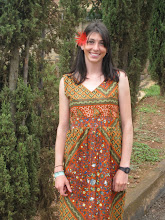


It was amazing to me to realize how quickly I am able to adapt to a new situation, going from having no choices when it comes to buying a product to a supermarket where there are 100 different kinds of beverages. In reality it only takes a moment to adapt to the new situation.
When traveling in South Africa I was given many options- stores, retail of all kinds, restaurants, choices I never have to make in Rwanda because they don’t exist. I adapt to Rwanda by living in plainly, modestly, and simply, showering from a bucket, and going to the bathroom in a latrine. My furniture is minimal, I sit on the floor and cook over one burner, also on the floor. After 24 hours in the developed world I was acclimated again. And the same when returning to the bush- accepting it for what it is and remembering it is my life.
Does this mean I am too accommodating? I adjust too easily? I don’t care or have an opinion? Or does this mean I am flexible and show pliability in situations?
I often thought that I would have trouble readjusting to corporate America. However, after my last excursion I realize that it is not the malls and the supermarkets that I once feared reentering that will be difficult. It will be dealing with the people, listening to complaints that are so minuscule and make no difference in the long run. To hear someone whine that they cannot get an appointment at the nail salon is something I am not going to have sympathy for.
While I have an awakened state of tolerance since moving and my patience has increased 10 fold, I feel I will have a problem adjusting to the people back in America. The differences in life goals are vast, and the idea of a happy life is entirely different when comparing Rwanda to America. Then again- I don’t actually know how I will reacclimatize, maybe ill complain when I want a hair appointment and can’t get one. Only time will tell. I hope to think that the lessons I have learned here will stay with me forever. I hope that I will continue to appreciate the luxuries that are accessible in the developed world and persist to cultivate relationships and spend time with people, remembering the art of sitting.
Wednesday, January 5, 2011

Monday, December 13, 2010
Ear Cheese and Exploding Fallopian Tubes!
Sounds fun doesn’t it!?! Well it was! Getting a mock root canal without Novocain-lets start this adventure form the beginning.
Previously I would have said thank you mom and dad for the cavity prone teeth! It turns out that I don’t actually have cavity prone teeth- the American health care/dental industry has been making money off of me for years. Rather than giving me a night guard to prevent me from grinding my teeth, dentists have let me grind away to the point where I create shallow cavities and then they profit a financial gain when I come in for assistance.
About 3 months ago my teeth started to hurt, I went to the dentist here in Rwanda, a nice woman from the Philippines, professional and licensed. She informed me I had four cavities, two on the right side and two on the left, this was not surprise to me. Following the first visit I went back where the first two cavities on my right side were filled. Everything went impeccably. I left on cloud 9, a painless visit to the dentist. As I was sitting waiting for the bus (read previous blog to learn more about transport), and the tremendous amount of Novocain injected into me began to wear off, I started to feel the excruciating and agonizing pain, an unbearable feeling. However, Brian was coming in 48 hours, the last thing I wanted to do was deal with dental issue while he was in Rwanda.
Following Brains departure I returned back to the dentist to get the other cavities filled and put in a complaint about the piercing pain I have been in. She proceeds to tell me that it is no problem, she can fix me, she just needs to do the work without Novocain so she call tell where I am in the most pain. The drills begin and I lay still while the hygienist holds my hands as the tears roll down my face, the dentist goes further and further into my tooth, touching the nerve and determining where I am in the most pain. Assertive behavior clicked in at this point, I promptly asked her to call my Peace Corps doctor and confirm this procedure before she continued any further. After a phone call with the irate Peace Corps doctor work stopped instantly, a car picked me up immediately, and my records were sent to Washington DC. Before I knew it I was on a plane to South Africa, a mini American with state of the art equipment.
It was in Pretoria, one of the capitals of South Africa, where I was staying that I met a cast of characters, volunteers from all over Africa-Kenya, Cameroon, Zambia, Madagascar, Malawi, Ghana, even some from the developing parts of South Africa. All were all ‘med evaced’ for a variety of issues, an appendix removal, a fallopian tube that had exploded, ACL surgery, holes in ear drums resulting in revolting stories of ‘ear cheese’, mystery kidney issues, the list continues. We all had different stories to tell, anecdotes of our injury, legends from the country we are serving in, and narratives of our service and our experience. The cornucopia of volunteers was what made it such an amazing experience.
South Africa was just like America- on security steroids. All homes had electric fences, except for the guesthouse we were put up in, which was fortunate for us the night we were locked out and had to hop the gate and knock on windows to be let back in. I spent the majority of my time in malls, eating, and drinking.
After attempting to save my nerves and only hollow out my teeth and fill them with dentist ‘goo’ it was deemed too much damage was done. The dentist in Rwanda had hit my nerves when she was filling my cavities, thus I needed root canals and crowns, or were they caps, this is why I am not in the medical profession.
Overall I deem the entire trip a success. I met great people and ate amazing food, sushi twice, although they were always out of tuna, forcing me the settle on salmon. Although it was wonderful, after a week I was ready to get back to the bush and live my village life. I came to the realization and conclusion that if I wanted to be in American I would be in actual America- right now I am just a simple girl living in Rwanda…
Previously I would have said thank you mom and dad for the cavity prone teeth! It turns out that I don’t actually have cavity prone teeth- the American health care/dental industry has been making money off of me for years. Rather than giving me a night guard to prevent me from grinding my teeth, dentists have let me grind away to the point where I create shallow cavities and then they profit a financial gain when I come in for assistance.
About 3 months ago my teeth started to hurt, I went to the dentist here in Rwanda, a nice woman from the Philippines, professional and licensed. She informed me I had four cavities, two on the right side and two on the left, this was not surprise to me. Following the first visit I went back where the first two cavities on my right side were filled. Everything went impeccably. I left on cloud 9, a painless visit to the dentist. As I was sitting waiting for the bus (read previous blog to learn more about transport), and the tremendous amount of Novocain injected into me began to wear off, I started to feel the excruciating and agonizing pain, an unbearable feeling. However, Brian was coming in 48 hours, the last thing I wanted to do was deal with dental issue while he was in Rwanda.
Following Brains departure I returned back to the dentist to get the other cavities filled and put in a complaint about the piercing pain I have been in. She proceeds to tell me that it is no problem, she can fix me, she just needs to do the work without Novocain so she call tell where I am in the most pain. The drills begin and I lay still while the hygienist holds my hands as the tears roll down my face, the dentist goes further and further into my tooth, touching the nerve and determining where I am in the most pain. Assertive behavior clicked in at this point, I promptly asked her to call my Peace Corps doctor and confirm this procedure before she continued any further. After a phone call with the irate Peace Corps doctor work stopped instantly, a car picked me up immediately, and my records were sent to Washington DC. Before I knew it I was on a plane to South Africa, a mini American with state of the art equipment.
It was in Pretoria, one of the capitals of South Africa, where I was staying that I met a cast of characters, volunteers from all over Africa-Kenya, Cameroon, Zambia, Madagascar, Malawi, Ghana, even some from the developing parts of South Africa. All were all ‘med evaced’ for a variety of issues, an appendix removal, a fallopian tube that had exploded, ACL surgery, holes in ear drums resulting in revolting stories of ‘ear cheese’, mystery kidney issues, the list continues. We all had different stories to tell, anecdotes of our injury, legends from the country we are serving in, and narratives of our service and our experience. The cornucopia of volunteers was what made it such an amazing experience.
South Africa was just like America- on security steroids. All homes had electric fences, except for the guesthouse we were put up in, which was fortunate for us the night we were locked out and had to hop the gate and knock on windows to be let back in. I spent the majority of my time in malls, eating, and drinking.
After attempting to save my nerves and only hollow out my teeth and fill them with dentist ‘goo’ it was deemed too much damage was done. The dentist in Rwanda had hit my nerves when she was filling my cavities, thus I needed root canals and crowns, or were they caps, this is why I am not in the medical profession.
Overall I deem the entire trip a success. I met great people and ate amazing food, sushi twice, although they were always out of tuna, forcing me the settle on salmon. Although it was wonderful, after a week I was ready to get back to the bush and live my village life. I came to the realization and conclusion that if I wanted to be in American I would be in actual America- right now I am just a simple girl living in Rwanda…
Planes, Trains, and Automobiles
Fortunately the buses in Rwanda are very reliable, yes they will change a flat tire while the bus is full, but they leave on time and they rarely break down. They are the main source of transportation for the population. Mottos (small motorcycles) are available in areas where a bus cannot drive because the roads are not constructed, however they are expensive compared to walking, which is free. I would say the majority of the population takes public buses on a very regular basis. Because of the wide use and accessibility of the public transport system and I am both shocked and stunned that people have trouble entering and exiting, something I consider a very simple task.
There are three types of buses, large government buses, pepto mint green and about twice as high and wide as a yellow school bus, the moderate size bus where everyone gets a single seat, and the muttatus, or the smush buses where you have to cram in. The later two are both the same lay out. There are seats that are stationary and then there are ‘jump seats’ they fold up so that an isle is created and then when they are down you sit in them. Therefore if the jump seat is down no one can pass, you are blocking the isle.
I am always taken aback that people do no realize this!! Everyday, every time, if someone needs to pass you must stand up. People continuously sit in the first jump seat, blocking the entire back of the bus so that no one can pass and then they do not move or even attempt to get out of the seat. People will make a conscious effort to climb over other people, stepping on others, rather than simply standing up and filing in the bus in an orderly manner.
There are often times when there are open seats before the bus fills up, on smaller buses you do not leave until they are full. Getting there early you can get a window seat, but you never know how many minutes or hours until everyone gets on. There have been numerous occasions where rather than take a seat that is open, someone will come and sit directly on your lap. This is common when the bus is full because there is a lack of seats, but most definitely not necessary until the bus is full!! The muttatu buses, small crammed ones, sit 18, not comfortable, but are designed to fit 18, they are similar to the hippie VW wagons, often there are 20+ people, people sitting on laps, this is not including the children, The children I do not mind, they do not cry for long, sometimes they pee on you, that I can handle, people staring at me, drunk men in my personal space, all no problem, my breaking point, the throwing up. The roads are not bad in Rwanda. There are some treacherous ones, some windy ones, some that make me a little nauseous, however, the people here are always throwing up on public transportation. I'm going to knock on wood as I type this and say I have no been thrown up on yet, I would like to keep it this way!
There are three types of buses, large government buses, pepto mint green and about twice as high and wide as a yellow school bus, the moderate size bus where everyone gets a single seat, and the muttatus, or the smush buses where you have to cram in. The later two are both the same lay out. There are seats that are stationary and then there are ‘jump seats’ they fold up so that an isle is created and then when they are down you sit in them. Therefore if the jump seat is down no one can pass, you are blocking the isle.
I am always taken aback that people do no realize this!! Everyday, every time, if someone needs to pass you must stand up. People continuously sit in the first jump seat, blocking the entire back of the bus so that no one can pass and then they do not move or even attempt to get out of the seat. People will make a conscious effort to climb over other people, stepping on others, rather than simply standing up and filing in the bus in an orderly manner.
There are often times when there are open seats before the bus fills up, on smaller buses you do not leave until they are full. Getting there early you can get a window seat, but you never know how many minutes or hours until everyone gets on. There have been numerous occasions where rather than take a seat that is open, someone will come and sit directly on your lap. This is common when the bus is full because there is a lack of seats, but most definitely not necessary until the bus is full!! The muttatu buses, small crammed ones, sit 18, not comfortable, but are designed to fit 18, they are similar to the hippie VW wagons, often there are 20+ people, people sitting on laps, this is not including the children, The children I do not mind, they do not cry for long, sometimes they pee on you, that I can handle, people staring at me, drunk men in my personal space, all no problem, my breaking point, the throwing up. The roads are not bad in Rwanda. There are some treacherous ones, some windy ones, some that make me a little nauseous, however, the people here are always throwing up on public transportation. I'm going to knock on wood as I type this and say I have no been thrown up on yet, I would like to keep it this way!
1, 2, 3, BUNGEEEEEE!!!!!!
The alarm started going off at 4:15 am- normally I would not be a happy camper, waking up before the chickens, cows, farmers, and the sun, however, we were going to UGANDA! My first time leaving Rwanda, departing to the neighboring country for a much-deserved vacation.
Myself, along with 3 friends were off, we boarded the bus that was to take us to Kampala. We arrived midday the next day. Overwhelmed by the street food, the crowds, and the filth, I quickly had something to compare Rwanda to. The vacation starts off with us lost in a chaotic taxi park, no idea where to go, no Ugandan shillings, and Rwandan francs are a completely foreign currency. “#$@(*#&$” I hear behind me as a friend trips and lands in a ditch where she twister her ankle. Quickly we remember we are Peace Corps Volunteers and get our game faces. We exchange money, find where we are going, get to the backpackers hostel we are staying, and wrap the twisted ankle. From that point it was smooth sailing. In typical fashion after some cold beers and a good meal we were ready to go.
We woke up early the next day eager to find East Africa’s ONLY SKATE PARK!! After wandering through a village and buying some Jack Fruit on the side of the road, which tasted like rubbery dry bananas, we found the park. One-drop ramp and no skaters, we were a bit unimpressed and disappointed, but then remembered we were in Uganda, in a small village and were ecstatic with the fact it even existed. We then went into town were we walked around, went to an art market, unsuccessfully attempted to eat traditional Ugandan food, and noticed the giant 8-plus foot wing span storks that live in all the trees above. We ended the day at a great rooftop bar overlooking the taxi park eating egg logs- hard-boiled eggs encompassed in deep friend balls of mashed potatoes. DELICIOUS!
The next morning we woke up ready to bungee jump! We made sure to recognize the time difference, had breakfast, a tuna melt- not exactly a traditional breakfast at 7 am, said goodbye to the monkeys wandering the grounds, and took off in shuttle. When we arrived in Jinja 2 hours later we found out we weren’t going to go bungee jumping until the following day. However, rafting was amazing!!! We took class 5 rapids down the Nile and hit a 15+ foot waterfall drop. At one point I seriously though was going to lose a finger, I should have taken them seriously when the said remove all jewelry.
After a full and exhausting day of rafting we transitioned into the night where we took upside-down shots from a kayak on the ceiling of the bar. We met a group a travelers from all over the world on a 15 weeks bus trek across Africa, a cast of interesting characters. We even convinced a staff member to drink a cup of bugs.
After a Rolex (traditional Ugandan street food), some water, and Advil I was read to go bungee jumping. I went fist. Surprisingly I felt a little bit of fear, an emotion I am not normally accustomed to. It was a very different experience than skydiving. They tied my ankles together, assured me I would live, and then I was on my own. I hopped to the ledge and then 1, 2, 3, bungee, I projected myself off, head first, with a leap of faith into thin air! I could feel myself freefalling, one of the most liberating feelings ever, flying through the air, arms stretched, into the Nile river. The day continued with card playing and relaxing-followed be spiced French fries and beer in the evening.
The next day we were off to our next destination- The Hairy Lemon - a remote island with minimal electricity, hammocks, and a serious babbling brook. We spent the next 3 days on the island, learning about the man who just took it over who has been ‘living in the bush’ for the last 20 years. A man who had a vision of a retreat Zen Island, he went to visit, bought it, and had been there for the last 3 months. The water surrounding the small island had enough of a current when you could lie in a tube and it would take you to the opposite side. The wonderful owners parents were there helping him establish the completely self sustainable island with solar panels, a water mill, garden, and livestock, three meals were cooked for us everyday. The running water from the outdoor showers felt Vermont cabin esque in the middle of Africa.
Eventually it was time to say our goodbyes and face reality again.
Returning back to the main land we were hot, smelly, and sweaty. We waited on a crammed bus for an hour before it left, got a flat tire on the road, drove on for quite some time, eventually repairs were attempted, we drove further until it was deemed un-drivable. We were then put on a very large public bus which ran out of gas shortly after departure, we eventually got ion a third bus, finally making it to Kampala. We were mesmerized by all the street food, street food is non-existent in Rwanda, Kampala was especially bustling because it was Independence Day. When we went to get tickets home we were told there were only 2 tickets left on the bus, problem because we were a group of 4. Immediately we began to panic- how would we get home- where would we stay, what were we going to do. We were briefly distracted by a man in the bus station flipping and throwing a cat, however, we eventually we got tickets for the 3 am with a different bus company across town.
So what do four white girls do for 6 hours when the sun has set, they have everything they own in a large backpacks that they must carry and protect with their lives, and they have to wait for a bus? We went on a walk, ate as much delicious street food as possible, spent time in a warehouse that smelt like fish, laid down and attempted to rest in another damp room on a straw mat ignoring the infestation of rats, sat outside, got intensely stared and gawked at…all very normal.
Needless to say as soon as I got on the bus I fell asleep, waking every few minutes because the rattling window was shaking profusely and the hole under my feel sent cold air shooting up my pants. After a 2 plus hour border crossing at 8 am where all luggage was thoroughly searched to make sure no plastic bags were entering, we were in the country we call home! After another 10 cranky hours of travel I was back in Byumba- no water or electricity upon my arrival but thankfully the mouse evacuated the premises.
Myself, along with 3 friends were off, we boarded the bus that was to take us to Kampala. We arrived midday the next day. Overwhelmed by the street food, the crowds, and the filth, I quickly had something to compare Rwanda to. The vacation starts off with us lost in a chaotic taxi park, no idea where to go, no Ugandan shillings, and Rwandan francs are a completely foreign currency. “#$@(*#&$” I hear behind me as a friend trips and lands in a ditch where she twister her ankle. Quickly we remember we are Peace Corps Volunteers and get our game faces. We exchange money, find where we are going, get to the backpackers hostel we are staying, and wrap the twisted ankle. From that point it was smooth sailing. In typical fashion after some cold beers and a good meal we were ready to go.
We woke up early the next day eager to find East Africa’s ONLY SKATE PARK!! After wandering through a village and buying some Jack Fruit on the side of the road, which tasted like rubbery dry bananas, we found the park. One-drop ramp and no skaters, we were a bit unimpressed and disappointed, but then remembered we were in Uganda, in a small village and were ecstatic with the fact it even existed. We then went into town were we walked around, went to an art market, unsuccessfully attempted to eat traditional Ugandan food, and noticed the giant 8-plus foot wing span storks that live in all the trees above. We ended the day at a great rooftop bar overlooking the taxi park eating egg logs- hard-boiled eggs encompassed in deep friend balls of mashed potatoes. DELICIOUS!
The next morning we woke up ready to bungee jump! We made sure to recognize the time difference, had breakfast, a tuna melt- not exactly a traditional breakfast at 7 am, said goodbye to the monkeys wandering the grounds, and took off in shuttle. When we arrived in Jinja 2 hours later we found out we weren’t going to go bungee jumping until the following day. However, rafting was amazing!!! We took class 5 rapids down the Nile and hit a 15+ foot waterfall drop. At one point I seriously though was going to lose a finger, I should have taken them seriously when the said remove all jewelry.
After a full and exhausting day of rafting we transitioned into the night where we took upside-down shots from a kayak on the ceiling of the bar. We met a group a travelers from all over the world on a 15 weeks bus trek across Africa, a cast of interesting characters. We even convinced a staff member to drink a cup of bugs.
After a Rolex (traditional Ugandan street food), some water, and Advil I was read to go bungee jumping. I went fist. Surprisingly I felt a little bit of fear, an emotion I am not normally accustomed to. It was a very different experience than skydiving. They tied my ankles together, assured me I would live, and then I was on my own. I hopped to the ledge and then 1, 2, 3, bungee, I projected myself off, head first, with a leap of faith into thin air! I could feel myself freefalling, one of the most liberating feelings ever, flying through the air, arms stretched, into the Nile river. The day continued with card playing and relaxing-followed be spiced French fries and beer in the evening.
The next day we were off to our next destination- The Hairy Lemon - a remote island with minimal electricity, hammocks, and a serious babbling brook. We spent the next 3 days on the island, learning about the man who just took it over who has been ‘living in the bush’ for the last 20 years. A man who had a vision of a retreat Zen Island, he went to visit, bought it, and had been there for the last 3 months. The water surrounding the small island had enough of a current when you could lie in a tube and it would take you to the opposite side. The wonderful owners parents were there helping him establish the completely self sustainable island with solar panels, a water mill, garden, and livestock, three meals were cooked for us everyday. The running water from the outdoor showers felt Vermont cabin esque in the middle of Africa.
Eventually it was time to say our goodbyes and face reality again.
Returning back to the main land we were hot, smelly, and sweaty. We waited on a crammed bus for an hour before it left, got a flat tire on the road, drove on for quite some time, eventually repairs were attempted, we drove further until it was deemed un-drivable. We were then put on a very large public bus which ran out of gas shortly after departure, we eventually got ion a third bus, finally making it to Kampala. We were mesmerized by all the street food, street food is non-existent in Rwanda, Kampala was especially bustling because it was Independence Day. When we went to get tickets home we were told there were only 2 tickets left on the bus, problem because we were a group of 4. Immediately we began to panic- how would we get home- where would we stay, what were we going to do. We were briefly distracted by a man in the bus station flipping and throwing a cat, however, we eventually we got tickets for the 3 am with a different bus company across town.
So what do four white girls do for 6 hours when the sun has set, they have everything they own in a large backpacks that they must carry and protect with their lives, and they have to wait for a bus? We went on a walk, ate as much delicious street food as possible, spent time in a warehouse that smelt like fish, laid down and attempted to rest in another damp room on a straw mat ignoring the infestation of rats, sat outside, got intensely stared and gawked at…all very normal.
Needless to say as soon as I got on the bus I fell asleep, waking every few minutes because the rattling window was shaking profusely and the hole under my feel sent cold air shooting up my pants. After a 2 plus hour border crossing at 8 am where all luggage was thoroughly searched to make sure no plastic bags were entering, we were in the country we call home! After another 10 cranky hours of travel I was back in Byumba- no water or electricity upon my arrival but thankfully the mouse evacuated the premises.
Friday, October 1, 2010
Pish Posh- Posh Corps Peace Corps
Reconciliation
Rumor has it that Peace Corps Volunteers in other developing countries refer to Rwanda as Posh Corps. I see where the name stems from, yes I have electricity on a somewhat regular basis, I do not have to walk 10 k to get water, my house leaks but it is not made of mud, there are bugs, bats, and lizards, but nothing deadly. In spite of this, in my personal opinion, the emotional turmoil of Rwanda and the recent history is a completely different challenge than luxuries and comfort of a living situation. To try and understand the magnitude and fathom what happened here in recent years and what is currently happening in regard to reconciliation, this is not a tangible thought to me. To hear people’s personal stories, for them to share with me, I do not know how to respond, how to react, how to console, how they find the strength to proceed.
According to A Thousand Hills by Stephen Kinzer “99.9 percent of Rwandan children witnessed violence during the spring of 1994. Ninety percent believed they would die. Eight-seven percent saw dead bodies, 80 percent lost at least one relative, 58 percent saw people being hacked with pangas, and 31 percent witnessed rapes and other sexual assaults.”
I would like to share excerpts from A Thousand Hills in an attempt to convey the strength of the Rwandan people as they smile and look towards the future and put conflict behind them.
...Deeply rooted social conflicts like the one that devastated Rwanda in 1994 cannot be resolved through trial and punishment alone. A country torn so violently apart can stabilize only if former enemies reconcile. In Rwanda, this means that people must forgive those who slaughtered their families and even live beside them in newfound brotherhood. This is not a rational thing to do. Yet it is happening in Rwanda, on a grander scale than it ever has anywhere.
….Rosaria Bankuniye, lost her husband and four children in 1994, when she was twenty years old; the man who hacked them to death also attacked her and left her for dead, as the long scar across her face testifies. The killer, Xavier Nemeye, is free after serving nine years in prison. On the day I came to Mbyo [a village in southern Rwanda made up of about fifty concrete huts housing genocide survivors and released genocidaires], the neighborhood has assembles in shady grove to hear both of them testify. Most were women, brightly colorful in patterned batik dresses. All fell silent when Deo [a psychology professor and itinerant pastor who has assumed the mission of bringing Rwanda’s victims and killers together] rose to speak.
He [Deo] exhorted them to leave their rancor behind and devote all their energy to fighting Satan, whose name in Rwanda, he said, is poverty. When he invoked God’s presence, many people closed their eyes and turned skyward. Then he called on Rosaria and Xavier.
They [Rosaria and Xavier] came forward haltingly, as if in pain. Finally they settled onto a log, besides one another but not touching. Everyone before them knew their story. Many had similar ones.
Rosaria was small and frail, aged beyond her years and bent by toil. She wore a flowing yellow skirt and full blouse in a brown-and-yellow batik pattern. After taking a long moment to steel herself, she looked up and began describing how her family was murdered. She spoke softly but clearly. After a few minutes, when she reached the part about the maggots infesting her skull wound while she lay beneath a pile of corpses, she broke down.
All of Rosaria’s neighbors had wept many times, so this was nothing unusual. They waited quietly and even approvingly, some clutching each other’s hands, until she regained her composure and began again. She started by gesturing at the man sitting next to her, although she never looked at him.
“When he killed us, he also destroyed our home and took all out belongings,” she stammered, struggling to resist another breakdown. “I lived off the help form other people. But thanks to God, we had the blessing to reconcile with those who committed these acts. It is so hard to talk to talk to someone who killed your family. So I thank God that we have has the chance to live together and reconcile.”
These words puzzled me. They were undoubly sincere, but the emotion they conveyed- they willingness of this woman to forgive the person who has so grievously harmed her- was difficult to fathom. I grappled with it during the long silence that followed Rosaria’s testimony. Then Xavier began to speak. He looked sometimes at the congregation and sometimes at his feet, but never at Rosaria...”
Rosaria lost everything, he family, her children, she was once rich, with cows, goats, and money in the bank. She will never get that back. Yet she stated, “I don’t wish anything bad for that person. He will die the death God planned for him…”
The strength here to move ahead is a larger concept then I am personally prepared to comprehend. To understand the people, envision what they have been through, and learn from them, that is the challenge I face here everyday in Rwanda. Recently a family friends military base was referred to as Camp Cupcake because there was a Baskin Robbins and other American luxuries, I now realize that does not mean it is as simple as it sounds. Peace Corps doesn’t always feel so Posh Corps here in Rwanda.
President Paul Kagame was quoted saying:
“What is the future? We become prisoners of the past and live like that? It happened. We can’t undo it, unfortunately. If we could undo it, that would be ideal, but life isn’t like that. It’s a change you have to make. Otherwise you suffer twice. You suffer in the present and you continue to suffer forever.”
Rumor has it that Peace Corps Volunteers in other developing countries refer to Rwanda as Posh Corps. I see where the name stems from, yes I have electricity on a somewhat regular basis, I do not have to walk 10 k to get water, my house leaks but it is not made of mud, there are bugs, bats, and lizards, but nothing deadly. In spite of this, in my personal opinion, the emotional turmoil of Rwanda and the recent history is a completely different challenge than luxuries and comfort of a living situation. To try and understand the magnitude and fathom what happened here in recent years and what is currently happening in regard to reconciliation, this is not a tangible thought to me. To hear people’s personal stories, for them to share with me, I do not know how to respond, how to react, how to console, how they find the strength to proceed.
According to A Thousand Hills by Stephen Kinzer “99.9 percent of Rwandan children witnessed violence during the spring of 1994. Ninety percent believed they would die. Eight-seven percent saw dead bodies, 80 percent lost at least one relative, 58 percent saw people being hacked with pangas, and 31 percent witnessed rapes and other sexual assaults.”
I would like to share excerpts from A Thousand Hills in an attempt to convey the strength of the Rwandan people as they smile and look towards the future and put conflict behind them.
...Deeply rooted social conflicts like the one that devastated Rwanda in 1994 cannot be resolved through trial and punishment alone. A country torn so violently apart can stabilize only if former enemies reconcile. In Rwanda, this means that people must forgive those who slaughtered their families and even live beside them in newfound brotherhood. This is not a rational thing to do. Yet it is happening in Rwanda, on a grander scale than it ever has anywhere.
….Rosaria Bankuniye, lost her husband and four children in 1994, when she was twenty years old; the man who hacked them to death also attacked her and left her for dead, as the long scar across her face testifies. The killer, Xavier Nemeye, is free after serving nine years in prison. On the day I came to Mbyo [a village in southern Rwanda made up of about fifty concrete huts housing genocide survivors and released genocidaires], the neighborhood has assembles in shady grove to hear both of them testify. Most were women, brightly colorful in patterned batik dresses. All fell silent when Deo [a psychology professor and itinerant pastor who has assumed the mission of bringing Rwanda’s victims and killers together] rose to speak.
He [Deo] exhorted them to leave their rancor behind and devote all their energy to fighting Satan, whose name in Rwanda, he said, is poverty. When he invoked God’s presence, many people closed their eyes and turned skyward. Then he called on Rosaria and Xavier.
They [Rosaria and Xavier] came forward haltingly, as if in pain. Finally they settled onto a log, besides one another but not touching. Everyone before them knew their story. Many had similar ones.
Rosaria was small and frail, aged beyond her years and bent by toil. She wore a flowing yellow skirt and full blouse in a brown-and-yellow batik pattern. After taking a long moment to steel herself, she looked up and began describing how her family was murdered. She spoke softly but clearly. After a few minutes, when she reached the part about the maggots infesting her skull wound while she lay beneath a pile of corpses, she broke down.
All of Rosaria’s neighbors had wept many times, so this was nothing unusual. They waited quietly and even approvingly, some clutching each other’s hands, until she regained her composure and began again. She started by gesturing at the man sitting next to her, although she never looked at him.
“When he killed us, he also destroyed our home and took all out belongings,” she stammered, struggling to resist another breakdown. “I lived off the help form other people. But thanks to God, we had the blessing to reconcile with those who committed these acts. It is so hard to talk to talk to someone who killed your family. So I thank God that we have has the chance to live together and reconcile.”
These words puzzled me. They were undoubly sincere, but the emotion they conveyed- they willingness of this woman to forgive the person who has so grievously harmed her- was difficult to fathom. I grappled with it during the long silence that followed Rosaria’s testimony. Then Xavier began to speak. He looked sometimes at the congregation and sometimes at his feet, but never at Rosaria...”
Rosaria lost everything, he family, her children, she was once rich, with cows, goats, and money in the bank. She will never get that back. Yet she stated, “I don’t wish anything bad for that person. He will die the death God planned for him…”
The strength here to move ahead is a larger concept then I am personally prepared to comprehend. To understand the people, envision what they have been through, and learn from them, that is the challenge I face here everyday in Rwanda. Recently a family friends military base was referred to as Camp Cupcake because there was a Baskin Robbins and other American luxuries, I now realize that does not mean it is as simple as it sounds. Peace Corps doesn’t always feel so Posh Corps here in Rwanda.
President Paul Kagame was quoted saying:
“What is the future? We become prisoners of the past and live like that? It happened. We can’t undo it, unfortunately. If we could undo it, that would be ideal, but life isn’t like that. It’s a change you have to make. Otherwise you suffer twice. You suffer in the present and you continue to suffer forever.”
Friday, September 10, 2010
Dictionary Drive
To all who wants to make a difference- I am collecting dictionaries from the US to give to individuals in Rwanda who want to learn and expand their English vocabulary. Dust off the dictionary that has been sitting on your shelf unopened for years, people here in Rwanda will cherish these books. Please give them to my mother or Brian Collins by the end of September. If you need contact information please email me (averykarlowich@gmail.com) and I will send you further details. Don’t have a dictionary to donate, you can order an inexpensive used one at www.betterworldbooks.com, domestic shipping is free and profits go to literacy initiatives worldwide.
I am writing this blog on behalf of potential recipients of dictionaries that aspire to teach themselves and through education lead a better life.
When I first arrived in Rwanda I was trained on culture, language, and technical aspects, upon completion I was sworn in as an official Peace Corps Volunteer and I have been living in a community in the north evaluating the needs of the people and assessing how I can help establish long-term sustainable projects and solutions. Currently I am working with the Mafurebo Primary School on a variety of different projects, from improving the quality of the education and the curriculum to helping with the structure of the school and a water collection systems. The Mafurebo Primary School is located in a rural and mountainous area and does not have running water or electricity. Agriculture is the main source of income in the region. Despite the living conditions the Mafurebo Primary School is determined to educate the youth that attend the school through progressive and forward-thinking curriculum.
The headmaster and teachers of the school are feverishly trying to learn English, they are determined to become fluent. They listen to the Voice Of America Special English segment on the radio whenever it is available and converse with me in English as much as possible. It has come to my attention that the school does not have any dictionaries for teachers or students to look up words they are unfamiliar with. In October of 2008 the Rwandan Government declared English to be the official language of instruction, opening Rwanda up to a world of new opportunities. While the teachers are doing the best they can, dictionaries would greatly improve their vocabularies and provide them with increased hope towards the future.
Approximately 1,320 teachers and students will be directly affected; the books will create an indirect benefit for the community members as well. While shipping costs are normally astronomical having someone deliver them personally would eliminate all transport fees, this is possible because Brian Collins is coming here!!
Dictionaries will immediately have a positive effect and dramatically improve the vocabulary and conversing abilities of the students and teachers at the Mafurebo Primary School. They will help create a culture of literacy and provide the tools of empowerment to the next generation of parents, teachers, and leaders.
Make a difference!
XO Keza
I am writing this blog on behalf of potential recipients of dictionaries that aspire to teach themselves and through education lead a better life.
When I first arrived in Rwanda I was trained on culture, language, and technical aspects, upon completion I was sworn in as an official Peace Corps Volunteer and I have been living in a community in the north evaluating the needs of the people and assessing how I can help establish long-term sustainable projects and solutions. Currently I am working with the Mafurebo Primary School on a variety of different projects, from improving the quality of the education and the curriculum to helping with the structure of the school and a water collection systems. The Mafurebo Primary School is located in a rural and mountainous area and does not have running water or electricity. Agriculture is the main source of income in the region. Despite the living conditions the Mafurebo Primary School is determined to educate the youth that attend the school through progressive and forward-thinking curriculum.
The headmaster and teachers of the school are feverishly trying to learn English, they are determined to become fluent. They listen to the Voice Of America Special English segment on the radio whenever it is available and converse with me in English as much as possible. It has come to my attention that the school does not have any dictionaries for teachers or students to look up words they are unfamiliar with. In October of 2008 the Rwandan Government declared English to be the official language of instruction, opening Rwanda up to a world of new opportunities. While the teachers are doing the best they can, dictionaries would greatly improve their vocabularies and provide them with increased hope towards the future.
Approximately 1,320 teachers and students will be directly affected; the books will create an indirect benefit for the community members as well. While shipping costs are normally astronomical having someone deliver them personally would eliminate all transport fees, this is possible because Brian Collins is coming here!!
Dictionaries will immediately have a positive effect and dramatically improve the vocabulary and conversing abilities of the students and teachers at the Mafurebo Primary School. They will help create a culture of literacy and provide the tools of empowerment to the next generation of parents, teachers, and leaders.
Make a difference!
XO Keza
Thursday, August 26, 2010
You have to know how to laugh at yourself….
I think the key to integration in Rwanda is the ability to laugh at yourself, not just when you are trying to say a completely foreign word with marbles in your mouth but at all times and in all situations.
Recently I went to part 1 of my Peace Corps IST, In Service Training. The focus of the two-day training was on language and culture. As suspected, my Kinyarwanda remains sub par, this is something I have accepted, I can bargain in the market, greet people, and make small talk, I think that is far as it will progress with the exception of a few improvements during my time here. While my language is lacking I found that I have made great strides when it comes to my community integration. It was a nice feeling when numerous volunteers said they admire my strategies and my fearless attitude when it comes getting involved with the people of Rwanda.
Even though I do not share a common language or the same upbringing with the people here we are all human, we are have curiosities and are interested in the unknown; in this case I am the unknown. For many individuals I am the first white person they are ever seeing. Because of a limited vocabulary visual clues have become my go to for communication, pointing, miming, mimicking, although we share no common words there is a plethora we can communicate just by sharing space.
Often I find people staring at the tattoos on my feet (tattoos do not exist in Rwanda), my response is with sarcasm showing the people they do not rub off, same if I have my toe nails painted. I have very different hair than Rwandans, I often take it down and let people touch and play with it it, they are fascinated! Today I found myself walking the same route as a group of teenage girls. The girls were carrying baskets on their heads, while I do not know the verb ‘to carry a basket on ones head (yes there is a verb for that) I was able to mimic that I wanted to try and my point was successfully communicated. I carried a basket on my head, we all laughed together, and they asked me to take a photo of them.
Yes, with language skills I would be able to form better and deeper friendships. However, by accepting that my physical appearance is very different from anything they have seen before and putting on a muzungu comedy show I have made a great deal of friends. I have come to realize that by feeding into their curiosity and being able to laugh at myself in almost every situation my community integration has benefited greatly.
Recently I went to part 1 of my Peace Corps IST, In Service Training. The focus of the two-day training was on language and culture. As suspected, my Kinyarwanda remains sub par, this is something I have accepted, I can bargain in the market, greet people, and make small talk, I think that is far as it will progress with the exception of a few improvements during my time here. While my language is lacking I found that I have made great strides when it comes to my community integration. It was a nice feeling when numerous volunteers said they admire my strategies and my fearless attitude when it comes getting involved with the people of Rwanda.
Even though I do not share a common language or the same upbringing with the people here we are all human, we are have curiosities and are interested in the unknown; in this case I am the unknown. For many individuals I am the first white person they are ever seeing. Because of a limited vocabulary visual clues have become my go to for communication, pointing, miming, mimicking, although we share no common words there is a plethora we can communicate just by sharing space.
Often I find people staring at the tattoos on my feet (tattoos do not exist in Rwanda), my response is with sarcasm showing the people they do not rub off, same if I have my toe nails painted. I have very different hair than Rwandans, I often take it down and let people touch and play with it it, they are fascinated! Today I found myself walking the same route as a group of teenage girls. The girls were carrying baskets on their heads, while I do not know the verb ‘to carry a basket on ones head (yes there is a verb for that) I was able to mimic that I wanted to try and my point was successfully communicated. I carried a basket on my head, we all laughed together, and they asked me to take a photo of them.
Yes, with language skills I would be able to form better and deeper friendships. However, by accepting that my physical appearance is very different from anything they have seen before and putting on a muzungu comedy show I have made a great deal of friends. I have come to realize that by feeding into their curiosity and being able to laugh at myself in almost every situation my community integration has benefited greatly.
Subscribe to:
Posts (Atom)